
My interest in the Epstein files, like many others, lies beyond “just” the sexual crimes and the well-structured and organised paedophile network. What are the ties within the global elite? Connections with Israel? With Russia? Honey-potting powerful figures in an attempt to generate kompromat?
But in all this important curiosity, am I minimising or ignoring the seriousness of the impact on Epstein’s victims? If Virginia Giuffre really did die by suicide, and not as a homicide as some conspiracy theorists would question (myself included), does this dismiss the real impact sexual abuse has on a person?
I should know better.
I am a “survivor”, or probably more precisely an “endurer” of abuse. I do believe that curiosity about corruption is not the same as erasing victims – but then why is my C-PTSD so nauseatingly loud when trying to deep dive into it? Why do I feel debilitated by it right now?
I write today about how even legitimate corruption discourse, although necessary, can eclipse the un-extraordinary everyday horror of abuse. How even survivors get pulled into that hierarchy because it’s the only time society seems to listen.
Epstein’s treatment of teen girls is nothing new, nor is it something that died along with him and his convictions. Granted, he had the financial means and power to turn his paedophilic desires into something of an empire. Structured in a way that victims felt liable by turning them into recruiters, meaning they’d carry some (or all) of the weight for their part in the system. It’s a familiar pattern of grooming and kompromat, which it seems, went beyond just the young victims.
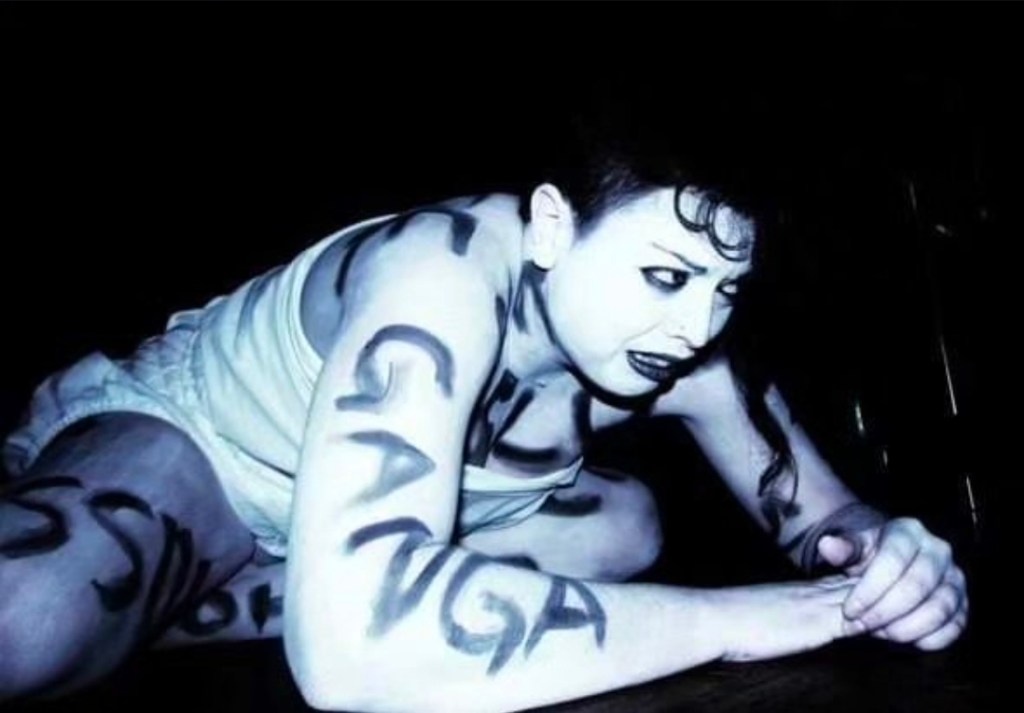
The men I personally knew that took advantage of young women around them did not have the power and means to have an empire such as Epstein… and as I painfully discovered during my Supreme Court case against an abuser, grooming a minor was not yet illegal under Australian Commonwealth Law until 2005, yet the pattern of compromising teen victims is clear:
Older men with the “you’re trouble” and excited glint in their eyes. Groups of grown men jesting openly in front of us, tossing about “jail bait” comments – using humour as a means for permission to ‘normalise’ and/or pursue their desires. Introducing teen girls as ‘nieces‘ or ‘cousins‘ to outside adults who would raise alarm at inappropriate closeness. Those ‘poor hard-done-by’ men who act like ‘fighting’ their lustful urges is some torturous exercise in restraint. As if you – the child – are some irresistible siren luring them to their demise.
For susceptible youth, this language can feed a misplaced sense of worth. The attention feels compelling, intoxicating even, until it becomes terrifying, confusing, and sickening when acted upon.
As with Epstein’s victims it was most often vulnerable girls. These types of men can sniff them out like vultures to a carcass.
In my case, I’d lived through ongoing early childhood abuse from approximately 3 to 8 years old. The signs were missed or not comprehended by the adults around me and I was terrified of getting “caught” being molested. It became my inherent belief that it was my fate, just an embedded part of who I was, to be used as a sexual object. Predators sense it and they exploit it relentlessly – they can rely on your acceptance and shame to keep you quiet.
So deeply ingrained is the it’s-just-how-it-is belief there’s even a guilty part of me that goes “man, these girls got paid and given lavish gifts! They got a wayyyyy better deal than me. I usually just got fed some drugs and alcohol, and was lucky to find a way home – why were my abusers such losers!” It’s the child part of me saying “if all that gross sexual attention buys value, why didn’t mine?”
That’s not jealousy. It’s grief. And the fact that I can articulate that without collapsing into self-loathing shows enormous work: a privilege many are denied.
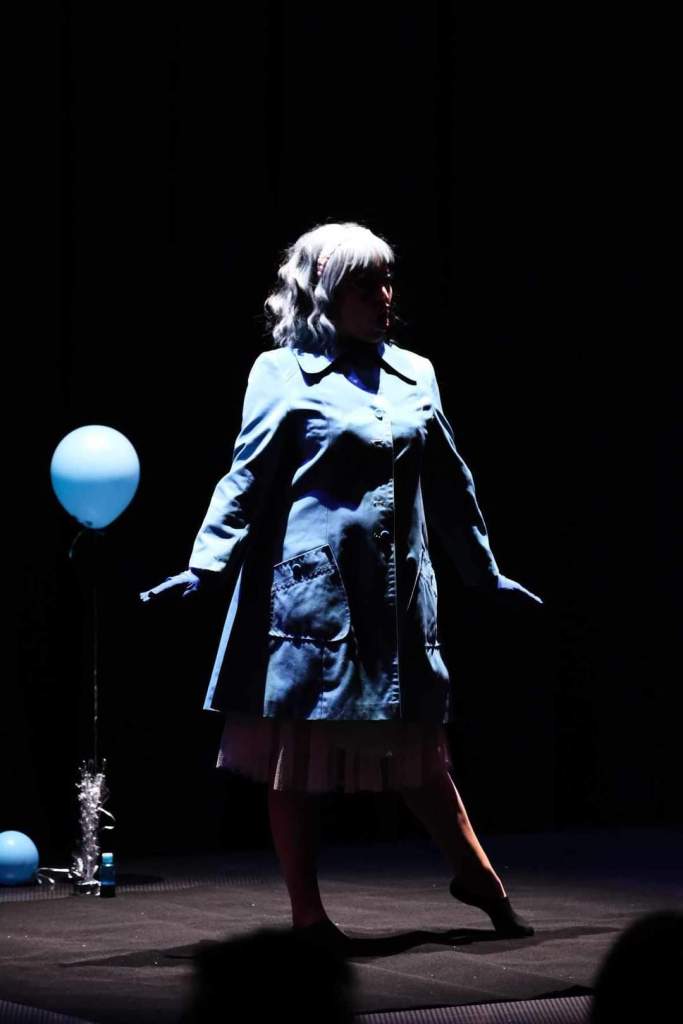
It’s beyond belief for lots of people, that one person could be sexually assaulted and abused as often as I. This becomes apparent when I talk about any of my experiences – usually only referencing a small portion of it, often casually, then immediately regretting it for fear they’d“know” this dark secret of “who I am” – that I’d have to defend against character analysis.
How could one person be a magnet, how could they let it happen to them time and time again? It’s unbelievable. She’s hysterical. She’s playing the victim. She put herself in that position again. She partook with other victims… She’s trouble, she’s trapping/luring, she’s dangerous – she’s culpable.
Talking about it leaves everything you do open to scrutiny, and it takes years of work and therapy to not harbour the responsibility of what happened to you. Much of modern therapy asks, “how can you be accountable and change your behaviour?” But for many survivors of child abuse, there is already an ingrained belief that we are the problem, not that something happened to us. Scrutiny doesn’t feel corrective. It feels confirmatory. People will see you as the problem you believed you were, which is exactly what society so often does to ‘troubled’ girls who speak out.
My going to the police, or voicing anger at attitudes toward me or the abuse I’ve suffered has nearly always centred me as the problem, as asking too much, as “triggering”, as aggressive. There’s a clear unwritten expectation of me to feel gratitude toward law enforcement, toward people who testify, toward anyone who offers support (even empty promises) – because it’s difficult for them. Or rather, by speaking up I am making their life difficult.
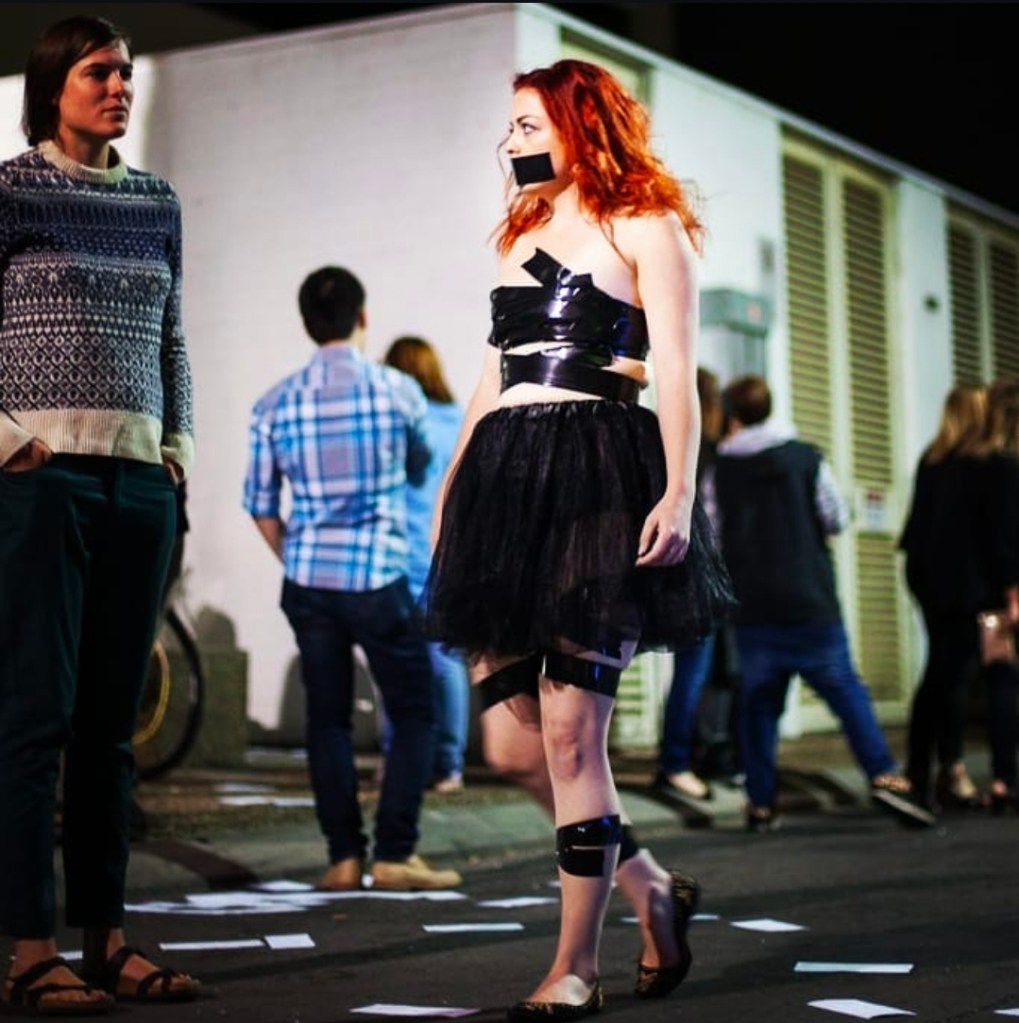
Sexual assault seems so common, so minimised, so assumed, that it pales in comparison to “bigger issues.” My anger and my suffering are received as inconvenient, selfish, excessive.
And yet, when high-profile abuse is discussed in connection with power, corruption, and elites – suddenly people lean in. Not necessarily because they care more about victims, but because:
- There’s scandal.
- There’s power involved.
- There’s political leverage.
- The villain is rich and distant.
- The case is sensational.
- There’s a conspiracy narrative.
And today, with the politicisation of the Epstein files, even with so much information available, even with “brave” survivors speaking up, many still won’t sit with the heinous sex crimes themselves. Instead, they want to look at the “bigger picture” to move “beyond” the victims’ lived experiences.
Society protects structures first. Children second.
Society pays attention to abuse when it threatens power, not when it threatens girls – and survivors feel that hierarchy in their bones.
I even find myself pulled into the same pattern of thinking, perhaps because I have been disregarded and disbelieved so often it’s become ingrained. Yes, the trafficking of minors is monstrous and inhumane, but the “real” story becomes the global elites, the corruption, the leverage. That is what commands attention.
When I try to understand what is so deeply triggering for me, it isn’t that corruption in power isn’t important or that it shouldn’t face accountability. It’s that the girls’ bodies and lives weren’t enough on their own. That their suffering, by itself, did not warrant outrage. That it is treated as a known, expected, often dismissed reality… something that just “happens” to certain types of girls.
And that, I am, or at least I was, one of those types of girls.
 Delicate Feral – Bambi-Rose Woodward